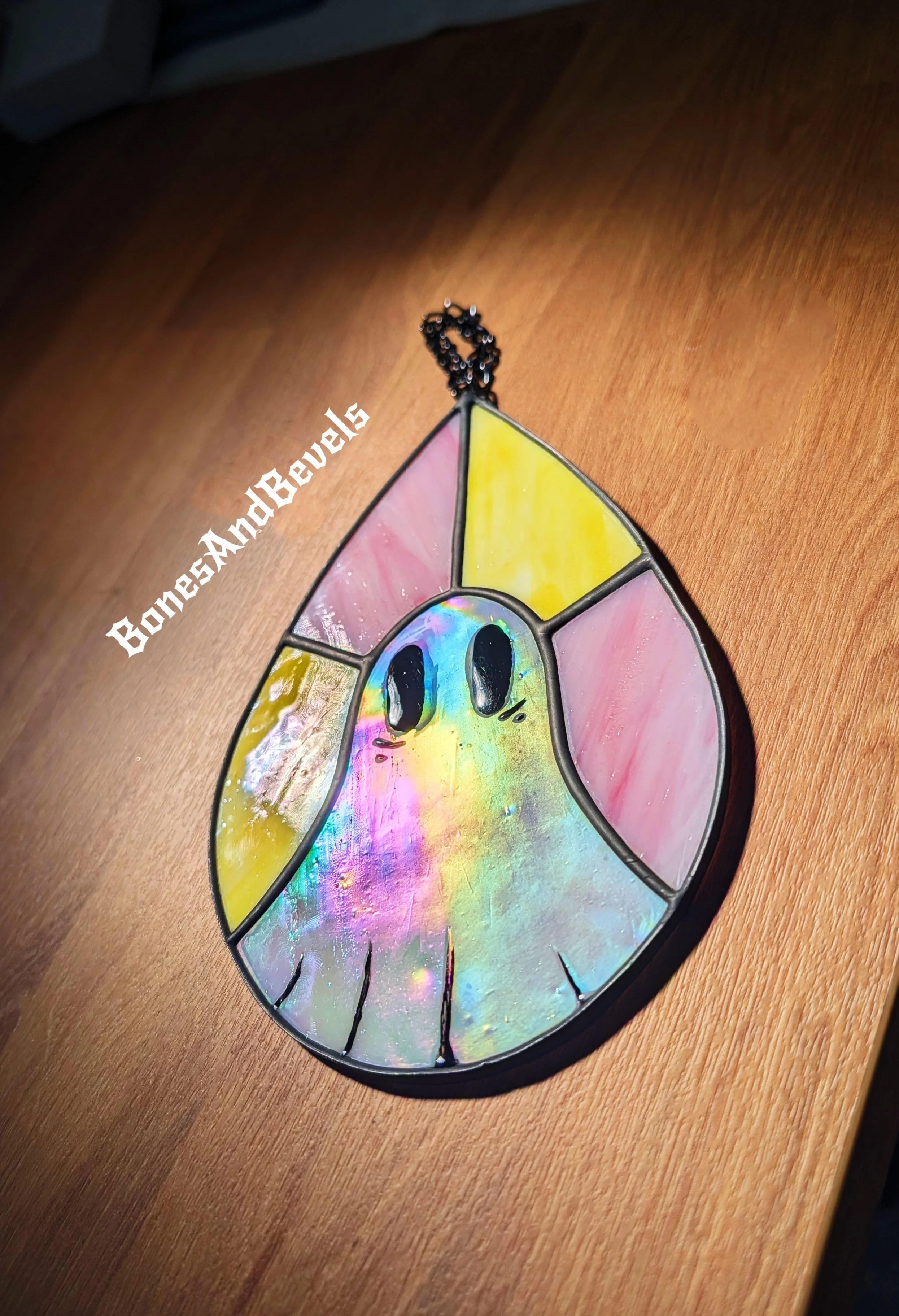
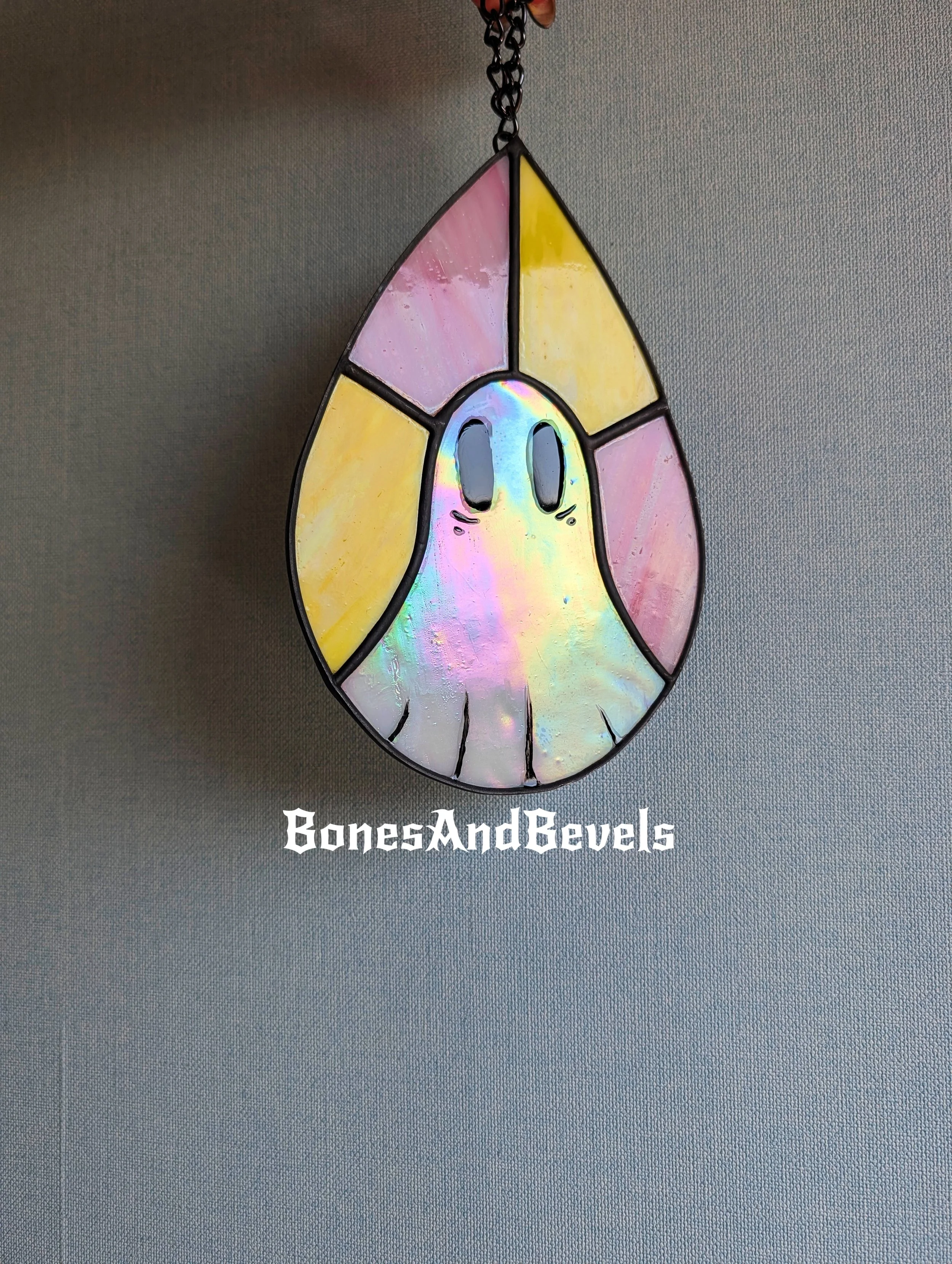
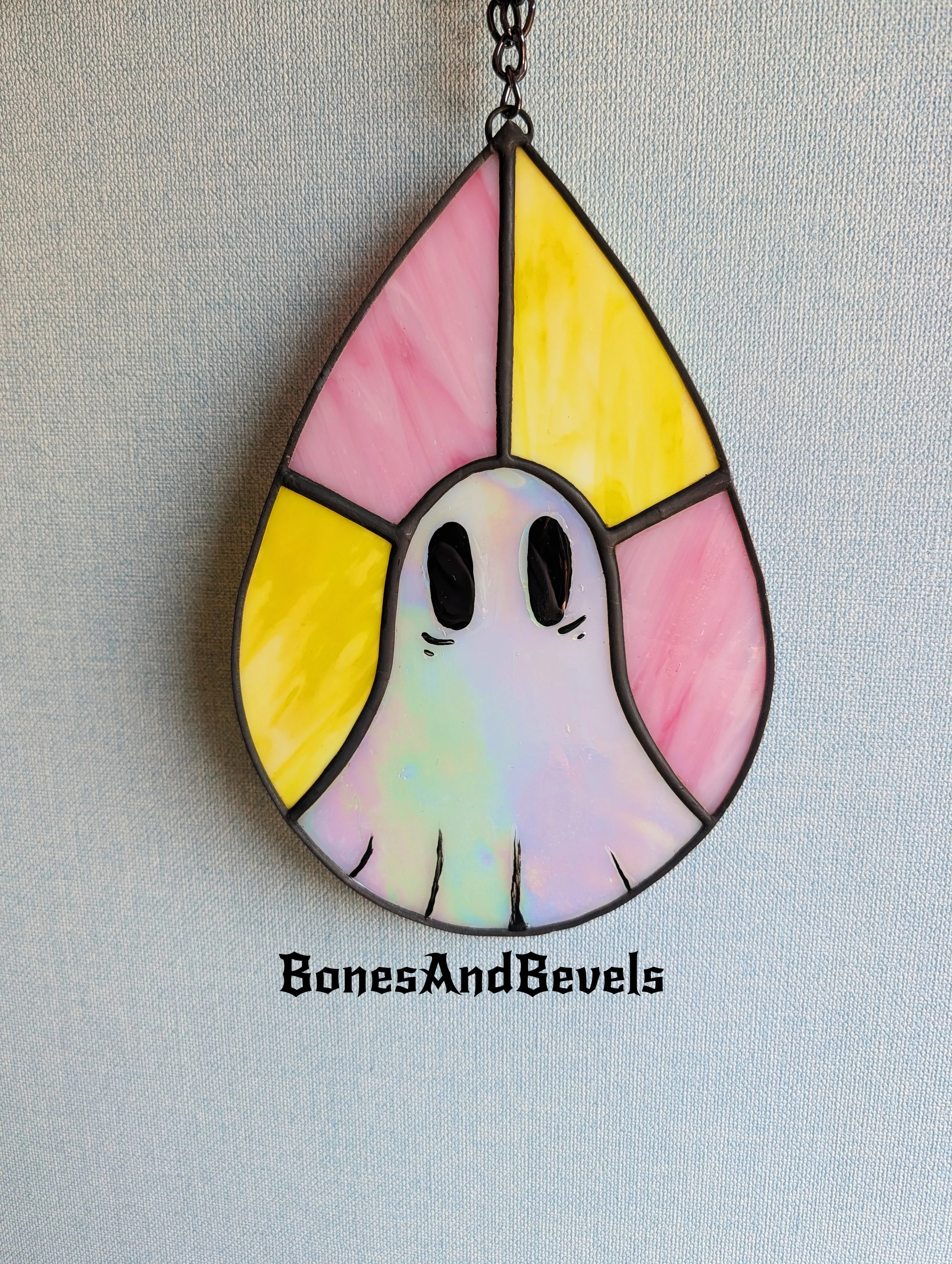
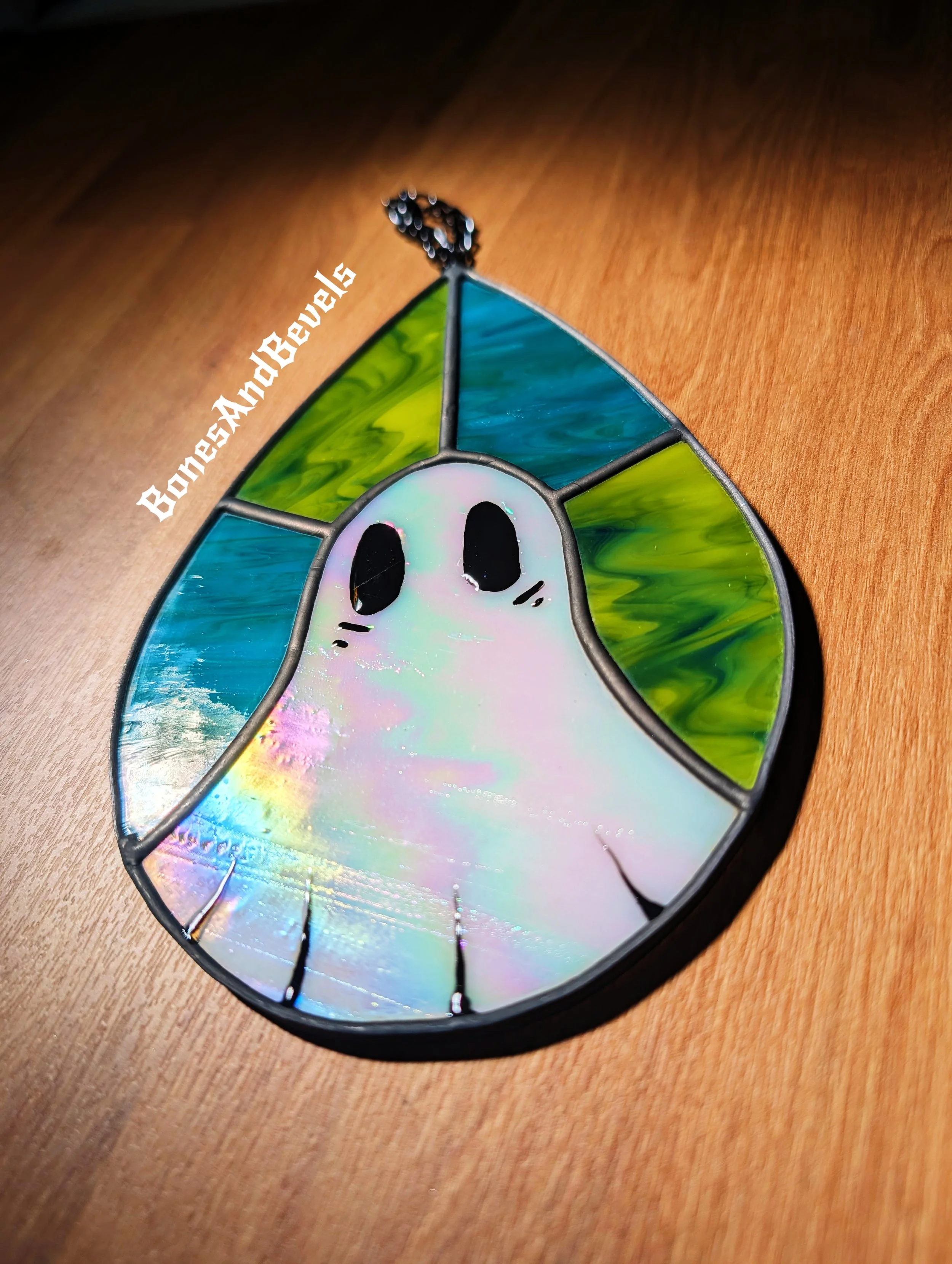
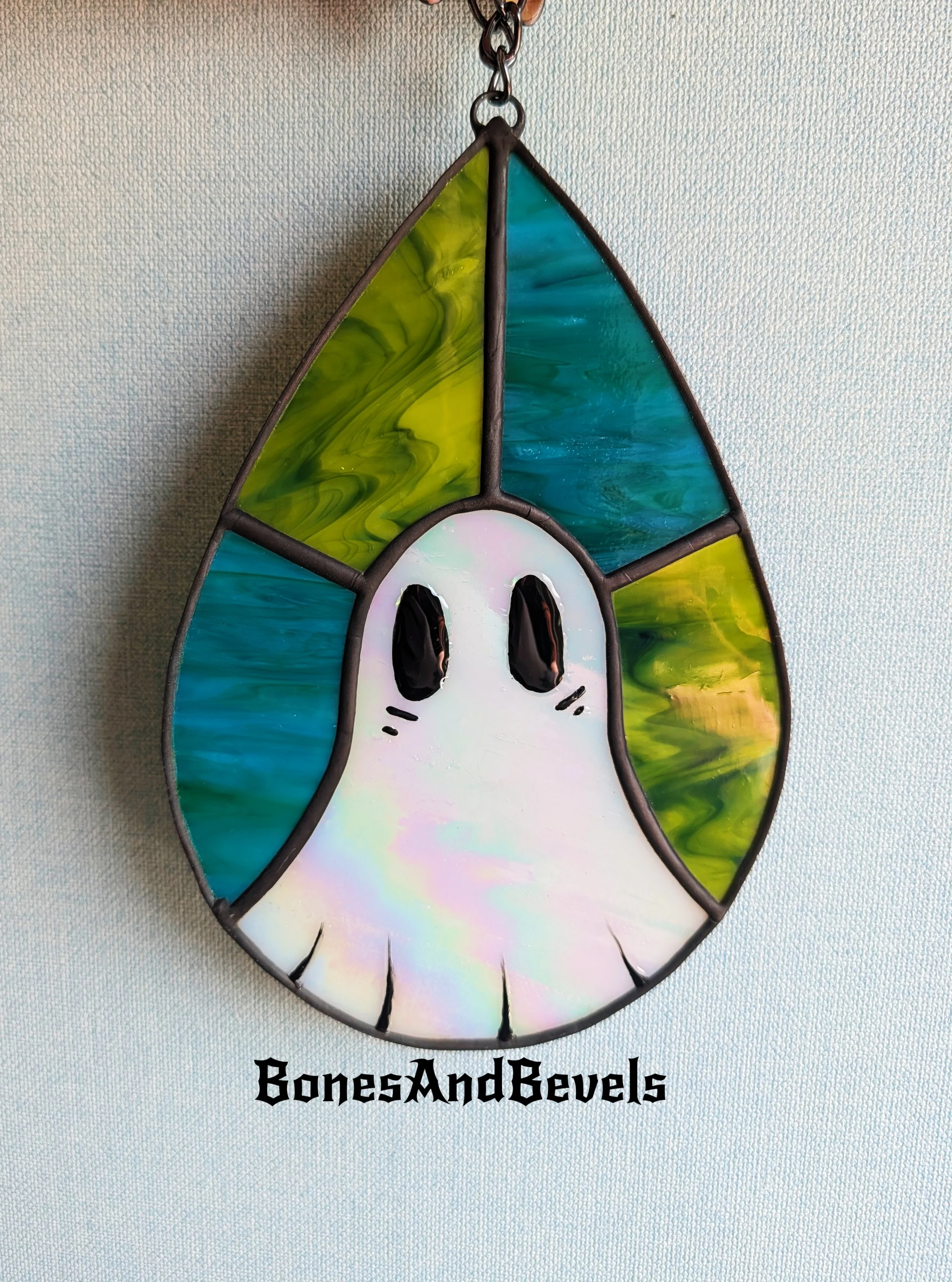
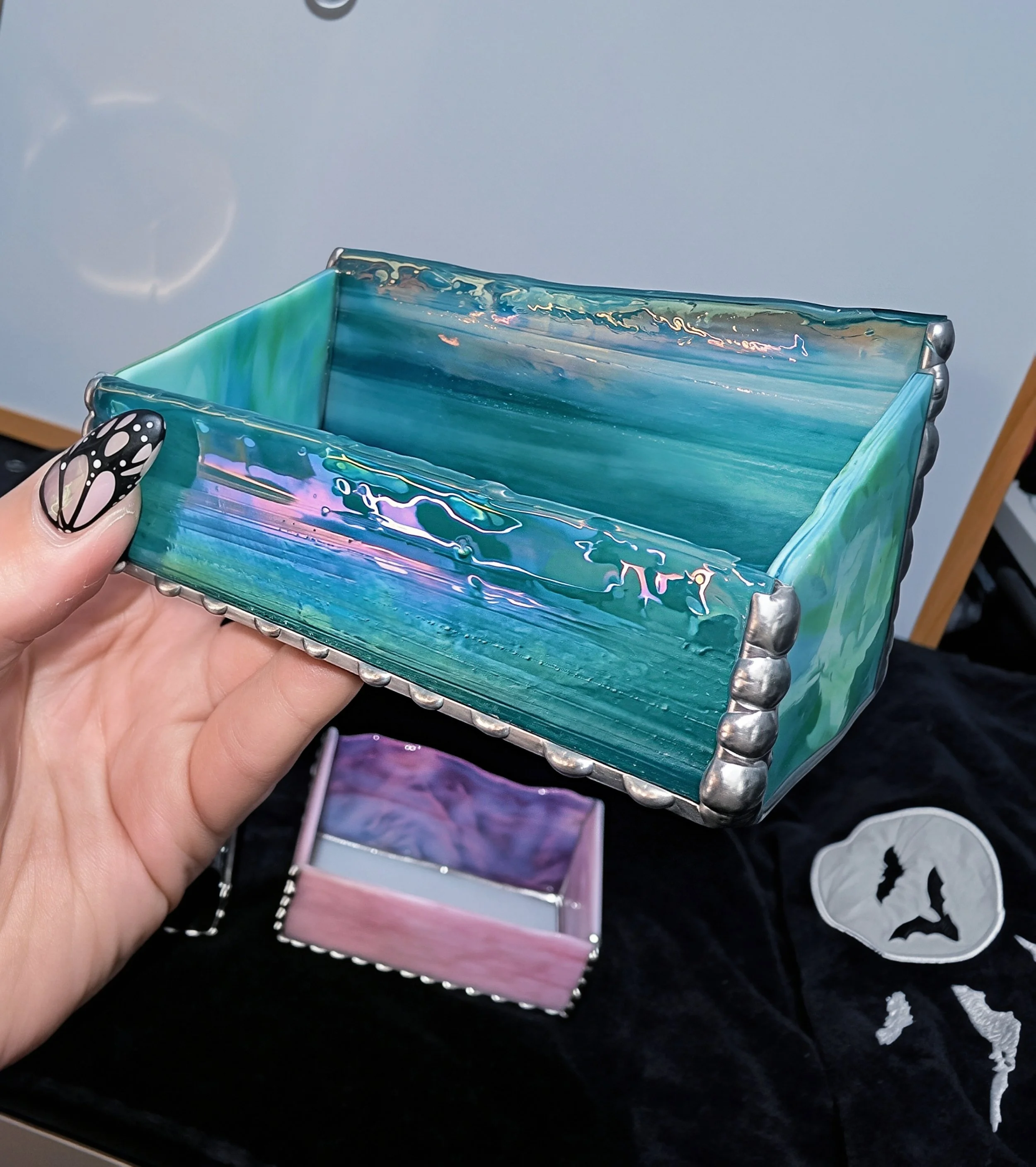
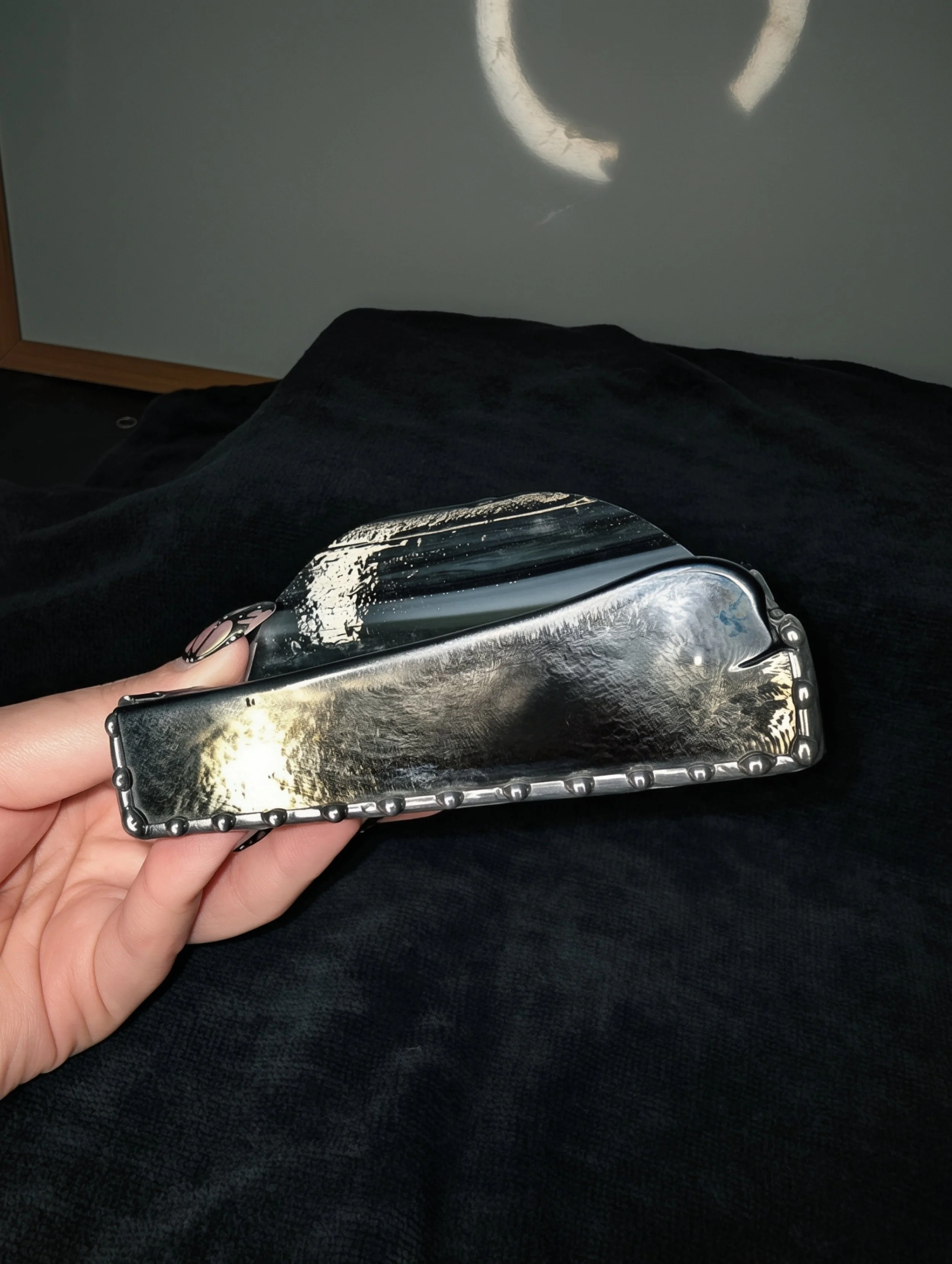
18 inch cord or silver chain in a 2.5mm pendant
Why is Dichroic Glass ✨ special ✨
Dichroic glass is made using an aerospace process called vacuum thin film deposition.
The manufacturing process involves several precise steps:
Vacuum Chamber: Ordinary glass is placed inside a highly controlled, airless vacuum chamber.
Vaporization: An electron beam gun vapourises ultra fine materials like quartz crystal and various metal oxides (such as titanium, chromium, or magnesium).
Bonding: The vapour floats upward and condenses onto the surface of the glass in a microscopic crystalline matrix.
Layering: This process is repeated to build up as many as 20 to 30 layers. Despite the multiple layers, the total coating thickness is only about 35 millionths of an inch.
This ultra thin crystalline structure acts as an optical interference filter. It allows certain wavelengths of light to pass through (the transmitted colour) while reflecting others (the reflected colour), which creates the signature colour shift effect as the viewing angle changes.
18 inch cord or silver chain in a 2.5mm pendant
Why is Dichroic Glass ✨ special ✨
Dichroic glass is made using an aerospace process called vacuum thin film deposition.
The manufacturing process involves several precise steps:
Vacuum Chamber: Ordinary glass is placed inside a highly controlled, airless vacuum chamber.
Vaporization: An electron beam gun vapourises ultra fine materials like quartz crystal and various metal oxides (such as titanium, chromium, or magnesium).
Bonding: The vapour floats upward and condenses onto the surface of the glass in a microscopic crystalline matrix.
Layering: This process is repeated to build up as many as 20 to 30 layers. Despite the multiple layers, the total coating thickness is only about 35 millionths of an inch.
This ultra thin crystalline structure acts as an optical interference filter. It allows certain wavelengths of light to pass through (the transmitted colour) while reflecting others (the reflected colour), which creates the signature colour shift effect as the viewing angle changes.
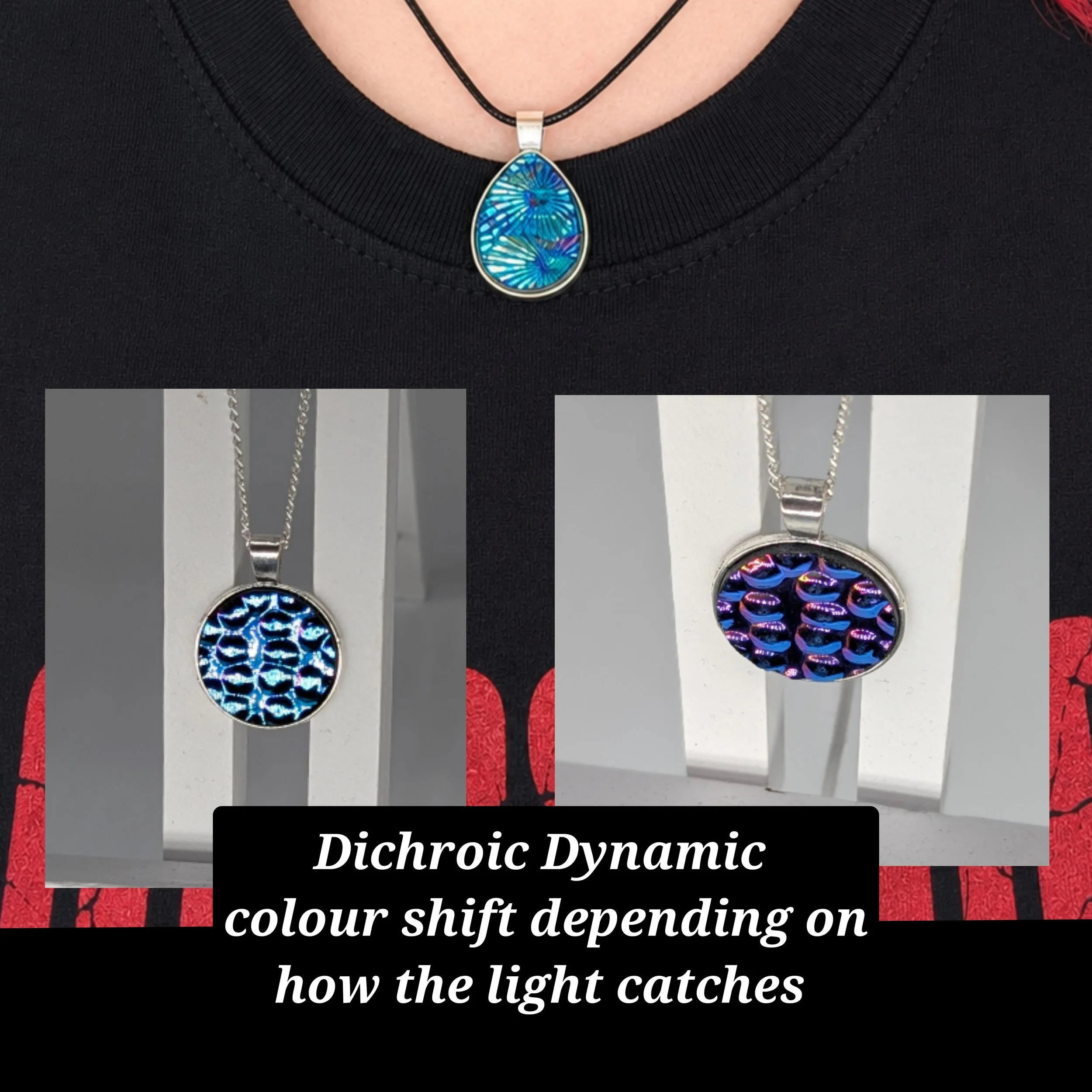 Image 1 of 8
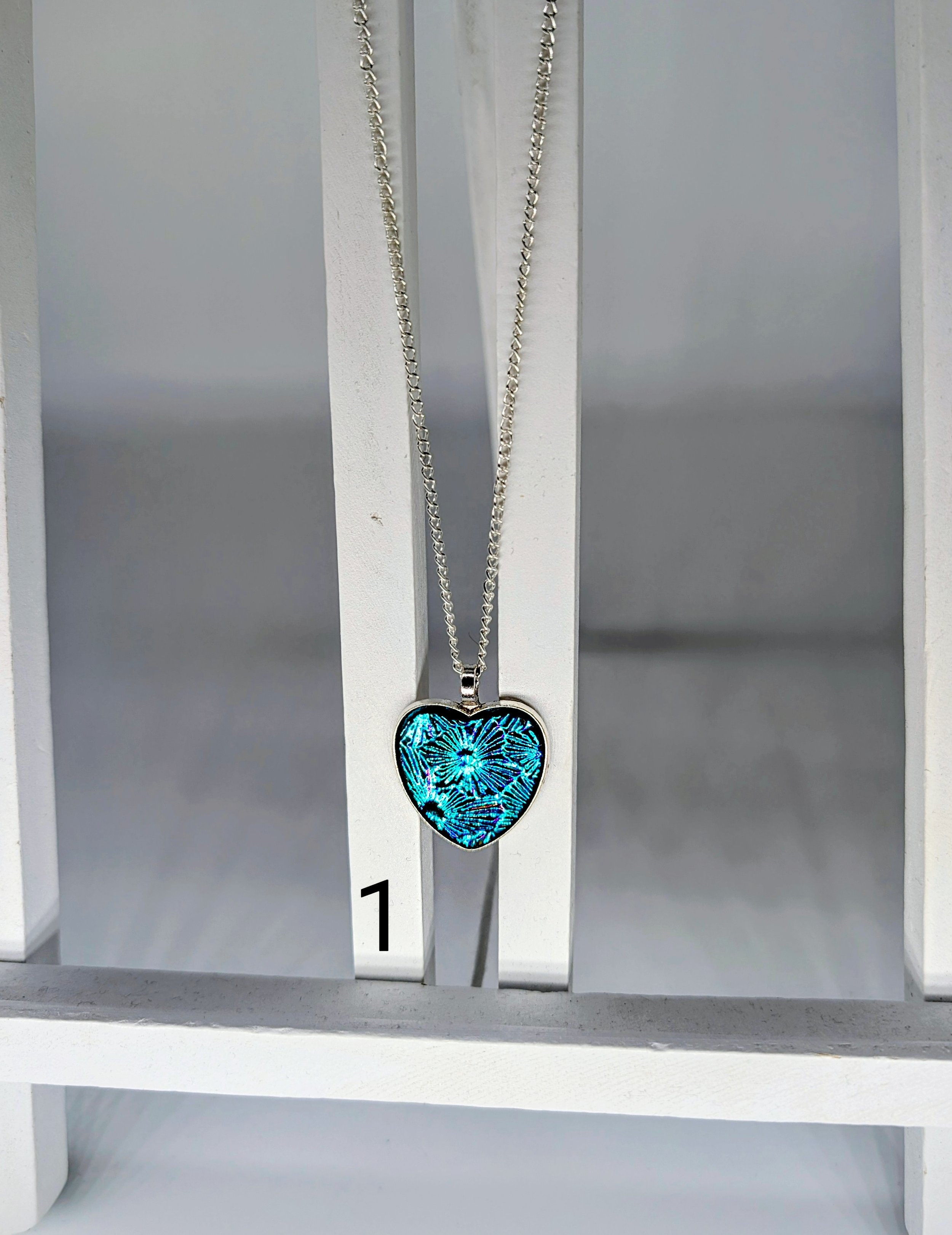 Image 2 of 8
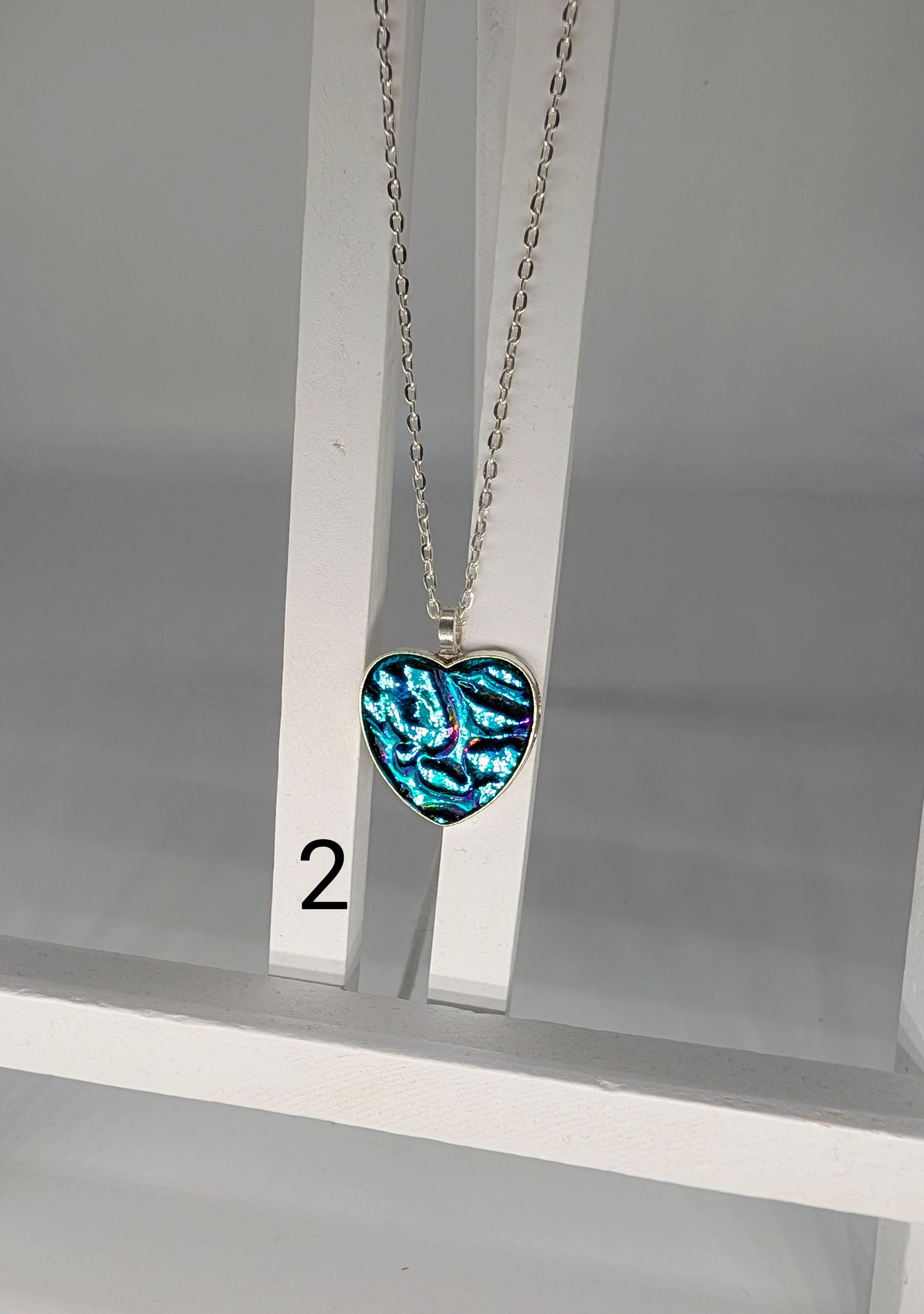 Image 3 of 8
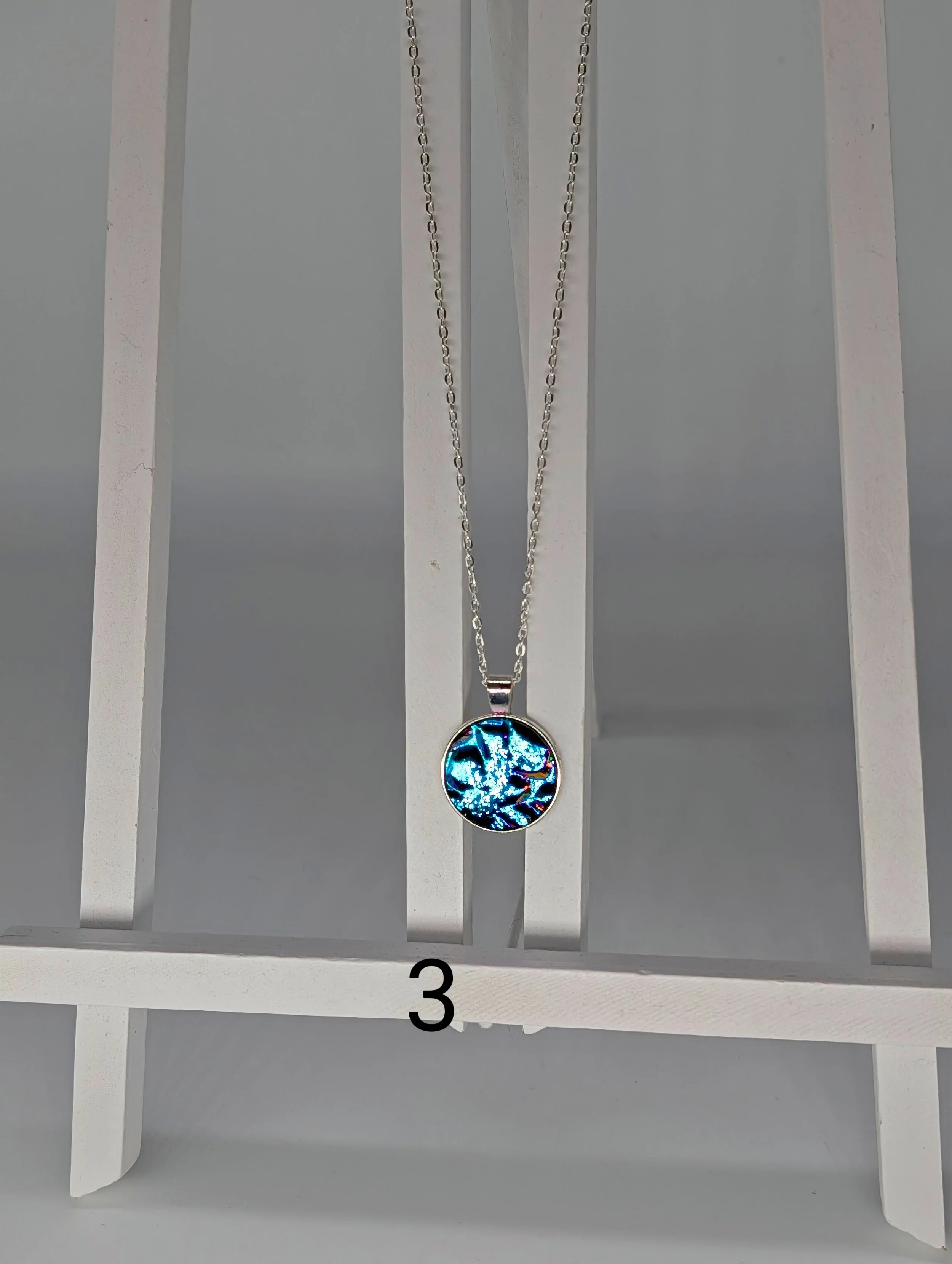 Image 4 of 8
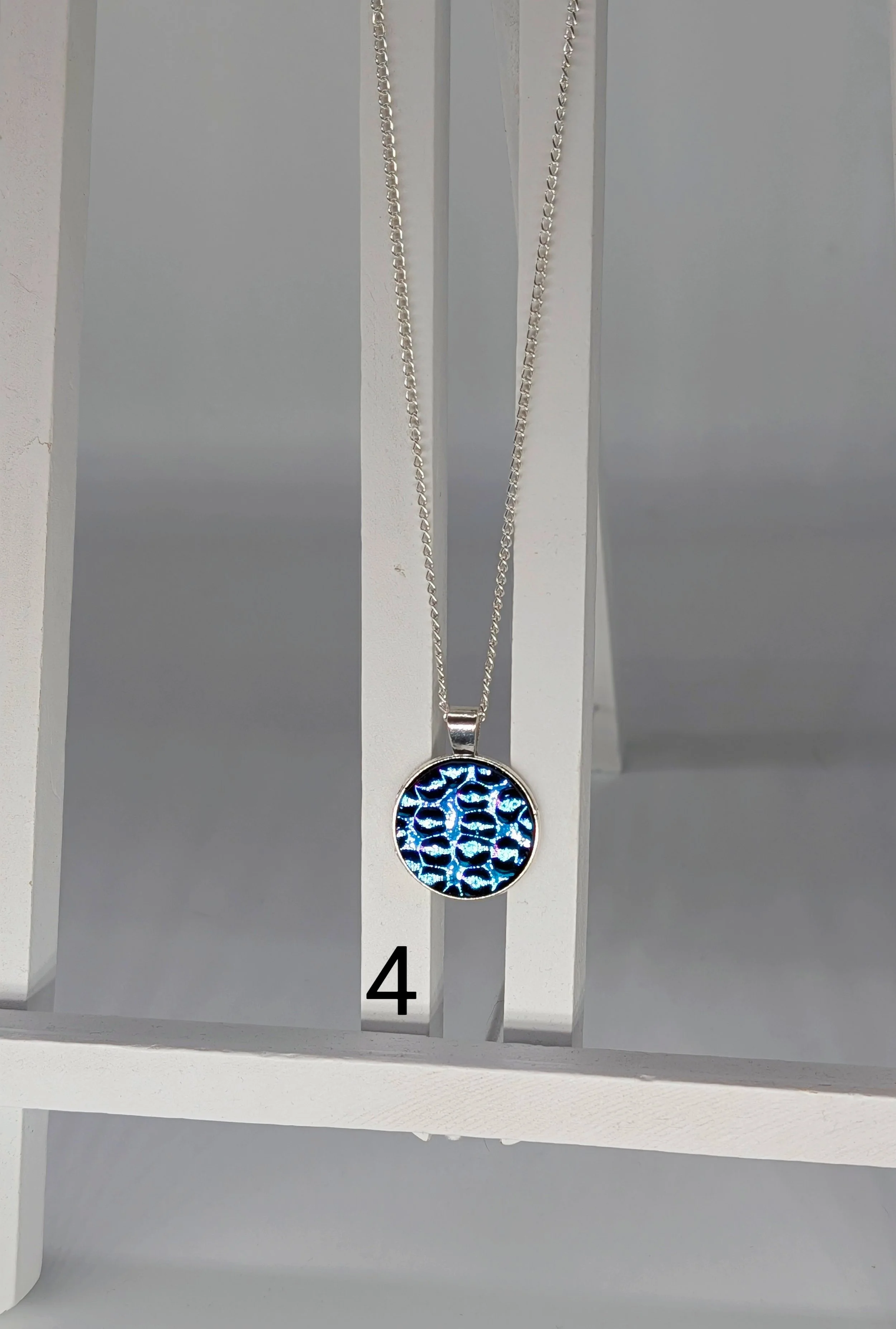 Image 5 of 8
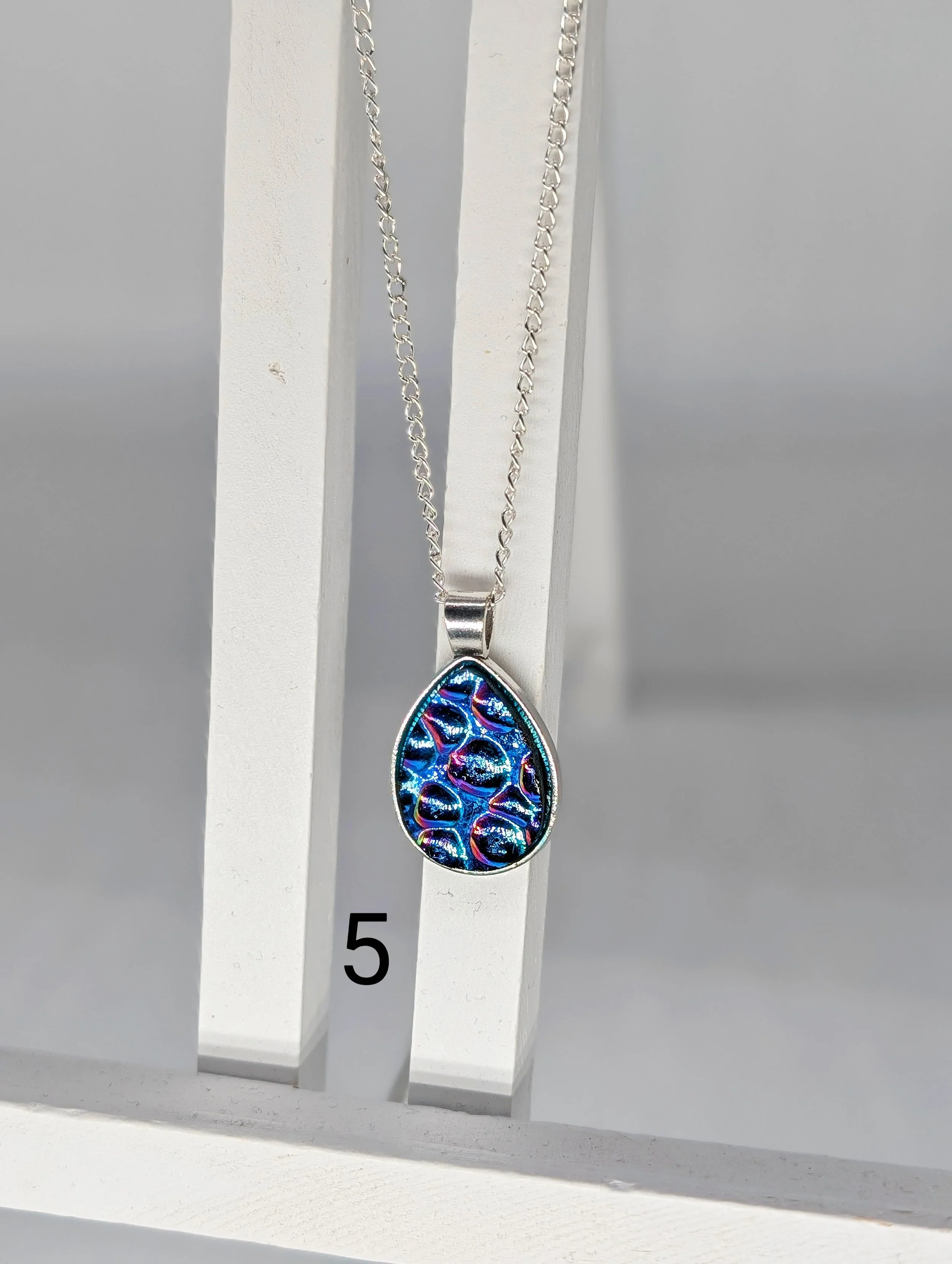 Image 6 of 8
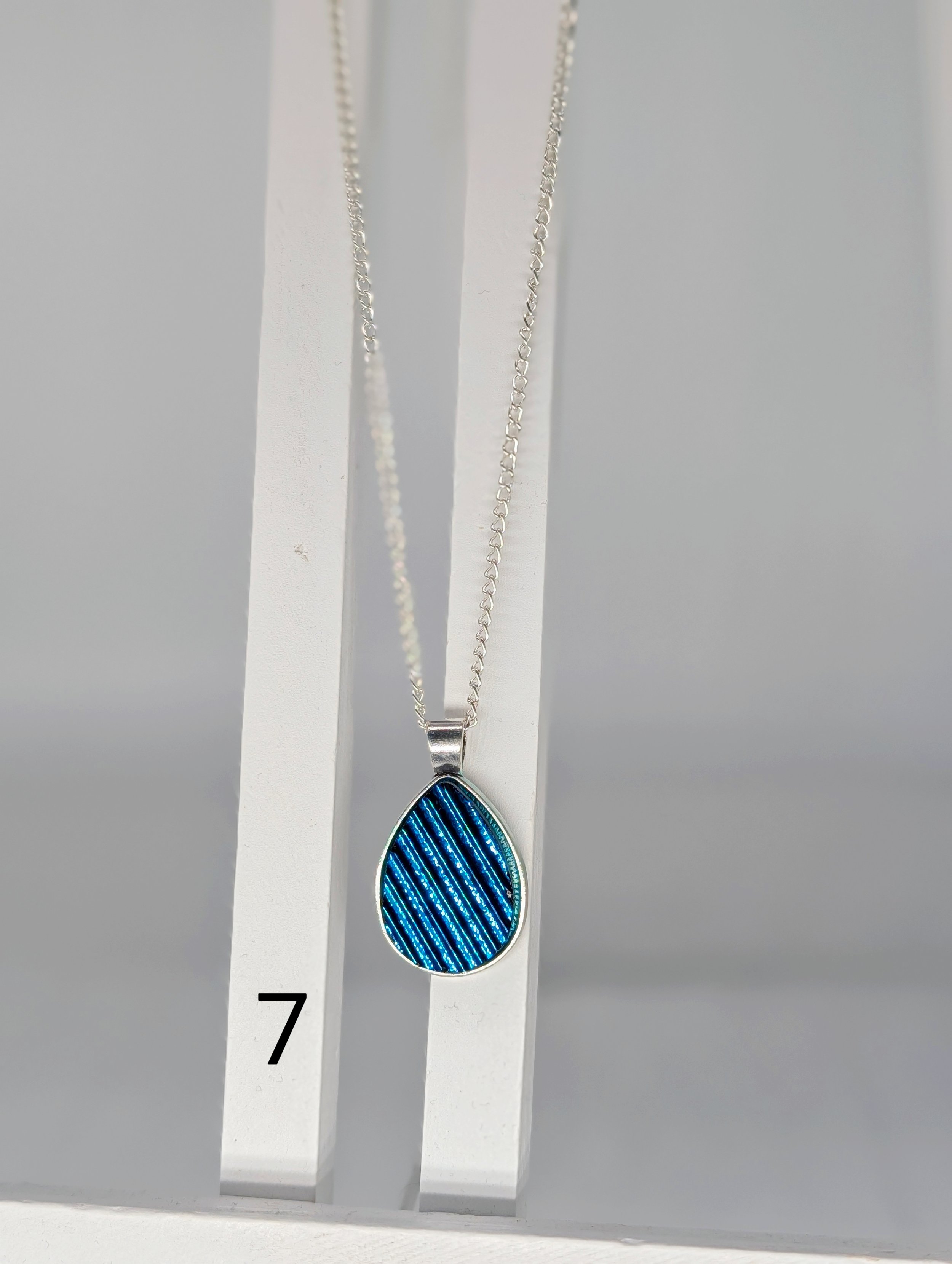 Image 7 of 8
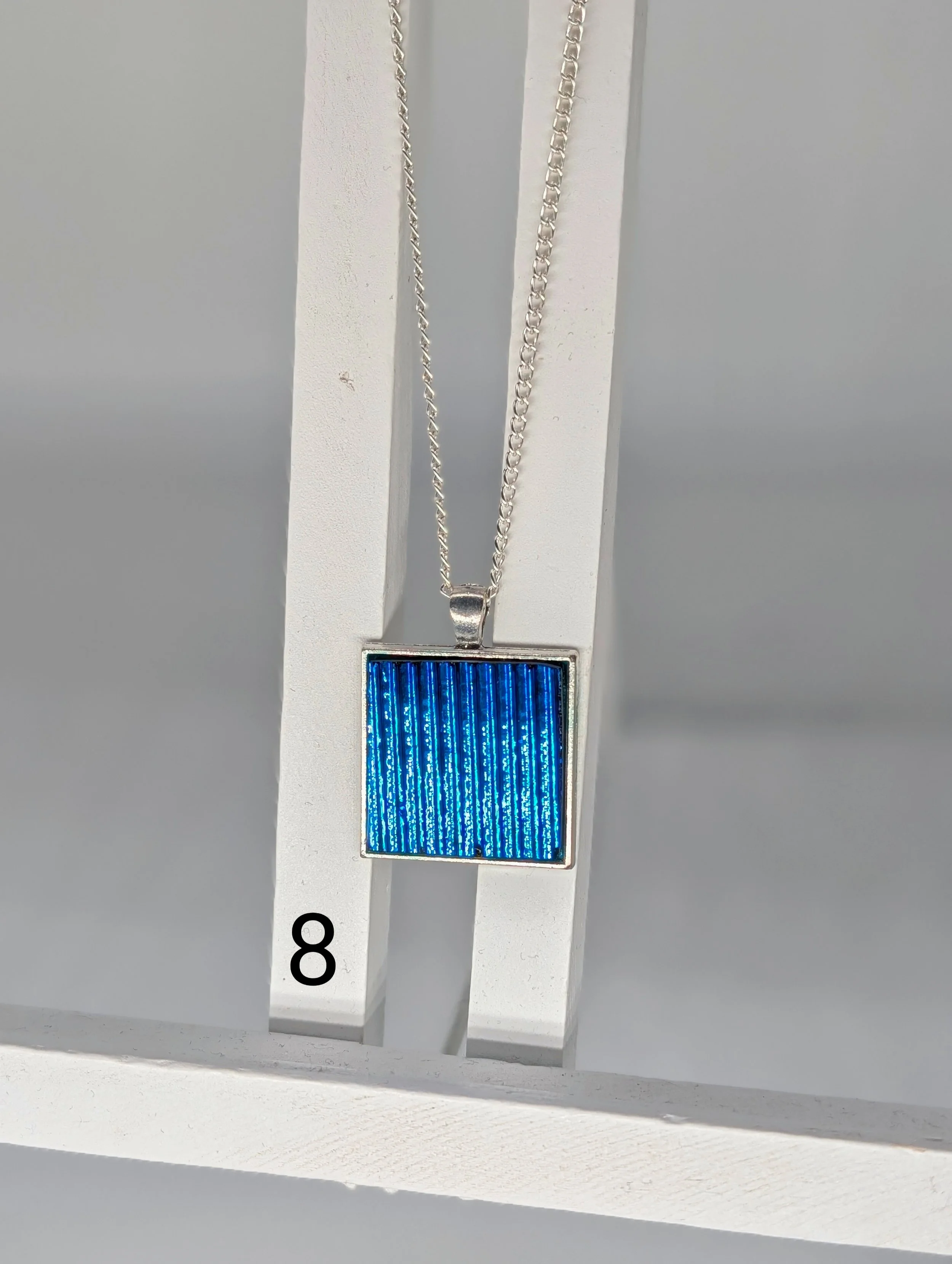 Image 8 of 8